

Understanding the psychology behind why we gamble at casinos
The Allure of Risk and Reward
The psychology of gambling is deeply rooted in the allure of risk and reward. Casinos thrive on this principle, creating an environment that amplifies the excitement of potential gains. When individuals place bets, they often experience a rush of adrenaline, driven by the possibility of winning large sums of money. This sensation can be addictive, as the brain releases dopamine, a neurotransmitter associated with pleasure and reward. Consequently, the thrill of hitting the jackpot can be a powerful motivator, encouraging repeat visits to visit site the casino.

This phenomenon is often referred to as “gambling reinforcement,” where the rewards received from gambling can overshadow the losses incurred. For many, the occasional win becomes a strong psychological reinforcement that solidifies their desire to return to the gaming floor. The intermittent nature of wins, which is common in gambling, adds to this cycle, as players may convince themselves that another attempt could lead to success. This thinking traps gamblers in a loop of hope and anticipation.
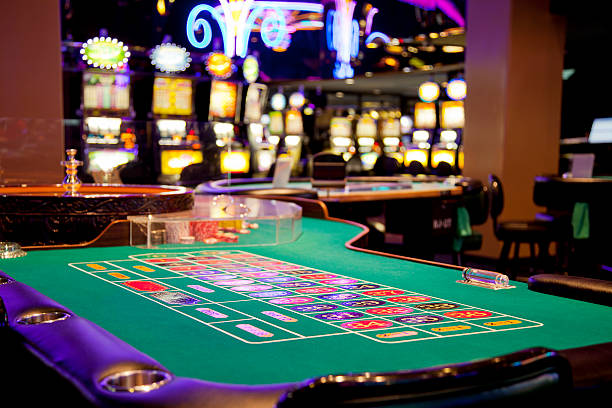
Moreover, the casino atmosphere itself is designed to heighten these psychological responses. From the colorful lights to the sounds of coins clinking and cheers erupting, every element is intentionally crafted to create an immersive experience that makes it difficult for players to walk away. The euphoric feelings elicited from wins and the anticipation of what might happen next can create a psychological dependency, making gambling a compelling escape from reality.
The Role of Cognitive Biases
Cognitive biases significantly influence why people gamble and how they perceive their chances of winning. One prevalent bias is the “gambler’s fallacy,” which is the belief that past events can influence future outcomes in random games. For example, a player might think that after a series of losses, a win is more likely, despite the reality that each game is independent of previous results. This flawed reasoning can lead to continued gambling, as players chase the elusive win they believe is “due.” Advanced techniques like understanding these biases can help in recognizing such patterns.
Another common bias is the “illusion of control,” where individuals believe they can influence the outcome of games based on their decisions or strategies. This belief is particularly strong in games perceived to involve skill, such as poker. Players may overestimate their abilities, assuming they can manipulate situations to their advantage. Casinos exploit this cognitive bias by promoting games that appear skill-based while still relying heavily on chance.
These cognitive distortions not only shape gambling behavior but also affect the emotional responses of players. The excitement of betting, coupled with the belief that one can outsmart the odds, creates a powerful psychological environment that can easily lead to increased wagering. Understanding these cognitive biases is crucial in recognizing how they contribute to problem gambling and the struggles many face in controlling their impulses.
The Social Aspect of Gambling
The social dynamics of gambling cannot be underestimated in their influence on behavior. For many, visiting a casino is not just about the games; it’s a social outing that encourages bonding and shared experiences among friends or family. This socialization can amplify the enjoyment of gambling, as people often feel more inclined to take risks when surrounded by others who are also participating in the activity.
Additionally, casinos are designed to foster a sense of community among players. Many establishments host tournaments, themed nights, and promotional events that encourage social interaction. This creates an atmosphere where individuals feel more engaged and connected to one another, which can increase the likelihood of continued gambling. The shared excitement of watching a slot machine light up or rooting for a friend at the blackjack table enhances the overall experience.
However, while social gambling can be a fun and entertaining pastime, it also poses risks, particularly when the line between social enjoyment and compulsive behavior blurs. Peer pressure can lead individuals to gamble more than they might otherwise, further complicating their relationship with gaming. Understanding the social dimensions of gambling can help individuals recognize the factors that contribute to their participation and the potential consequences that may arise from it.
Emotional Triggers and Escape Mechanisms
For many individuals, gambling serves as a coping mechanism for emotional distress or life challenges. People often turn to casinos as a way to escape their daily lives, seeking temporary relief from stress, anxiety, or depression. This escapism is often facilitated by the intense emotions associated with gambling, whether that be excitement or the thrill of risk-taking. Casinos become a refuge where they can momentarily forget about their problems.
The emotional highs and lows of gambling can be particularly captivating. The thrill of a near-miss win can evoke feelings of hope and excitement, while losses can trigger frustration or despair. This cycle of emotional fluctuation keeps players engaged, as they seek to recapture those euphoric moments of winning. However, relying on gambling as an emotional escape can lead to negative consequences, including financial strain and deteriorating mental health.
It’s essential for individuals to recognize the emotional triggers that drive their gambling behavior. By addressing underlying issues and developing healthier coping strategies, individuals can make more informed choices about their gaming habits. Awareness of one’s emotional state and its relation to gambling can empower individuals to seek healthier outlets and prevent the development of problematic gambling behaviors.
Your Gaming Experience Awaits
As you explore the complex psychology behind gambling at casinos, remember that understanding these elements can enhance your overall gaming experience. Our platform provides you with comprehensive resources and insights to navigate the world of gambling responsibly. With detailed reviews of top-rated casinos, strategies to manage your gaming budget, and tips on how to maximize your enjoyment, you can make informed decisions that align with your personal preferences.
We aim to create a safe and engaging environment for every player. Whether you’re a seasoned gambler or a curious newcomer, the information available can help you enjoy your gaming adventure while staying mindful of the potential psychological impacts. By remaining aware of the emotional and cognitive aspects of gambling, you can enjoy the thrill without falling into common pitfalls.