

The Thrill of Risk: What Motivates Gamblers?
The allure of casino gaming lies significantly in the thrill of taking risks. For many players, the prospect of winning big creates a rush that is hard to replicate in other aspects of life. This excitement is not solely confined to financial gain; it stems from the uncertainty and the adrenaline rush that accompanies high-stakes gaming. Understanding this psychological attachment can provide insight into why individuals are drawn to gambling despite the inherent risks involved. Additionally, some may seek information on bitcoin bookmakers to enhance their gaming options.
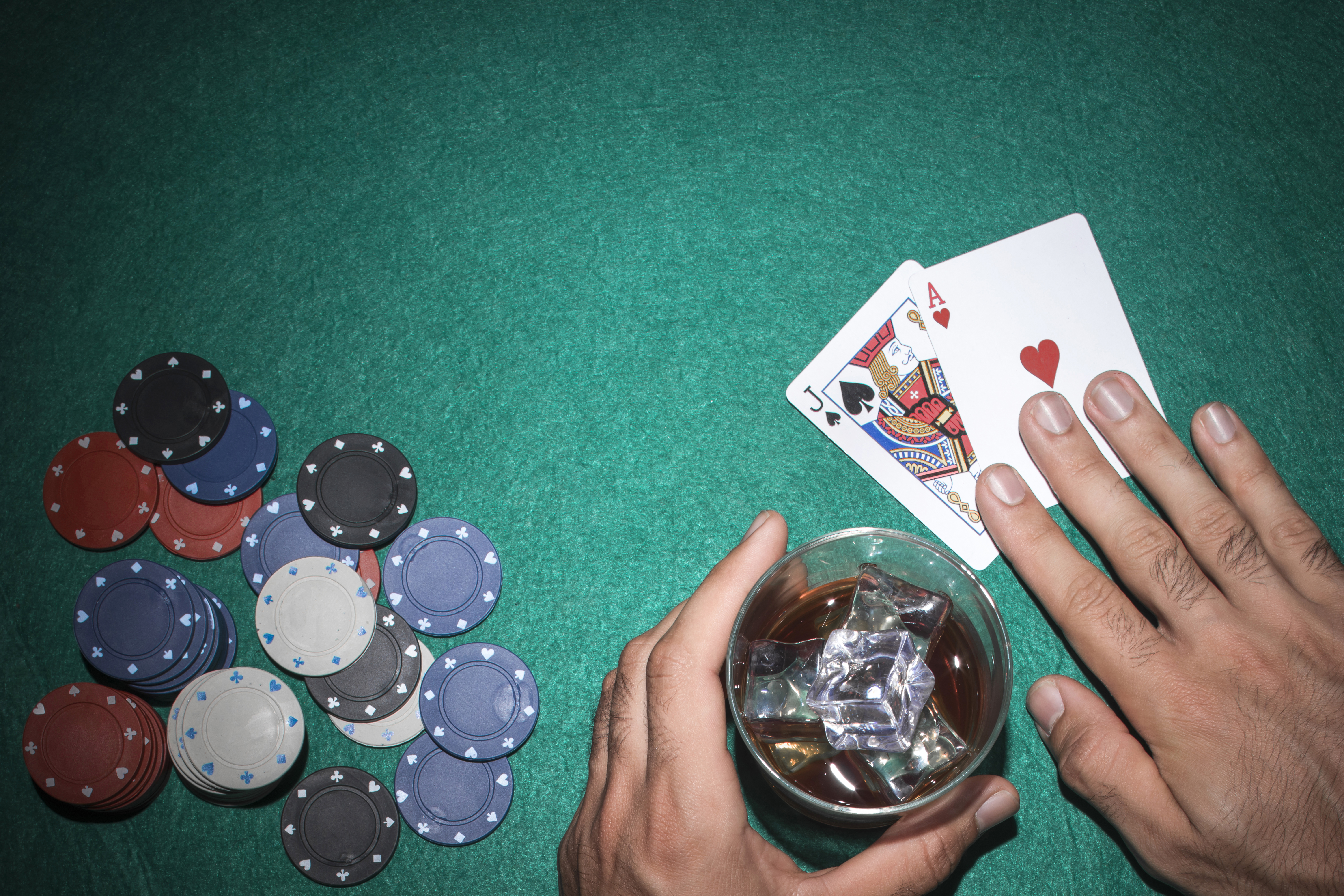
Moreover, the concept of risk-taking is deeply rooted in human psychology. Some individuals possess a higher tolerance for risk, which can lead them to make bold decisions at the gaming table. This can be fueled by various factors, such as personality traits or past experiences that shape their attitudes toward risk. The combination of excitement and potential reward can create a compelling environment that encourages players to engage in high-stakes decisions.
The Role of Emotion in Gambling Decisions
Emotions play a pivotal role in gambling, often influencing decisions more than rational thought. When players experience positive emotions, such as excitement or euphoria, they are more likely to take risks that can lead to higher stakes. Conversely, negative emotions such as frustration or loss can trigger a desire to chase losses, leading to potentially detrimental decision-making. This emotional rollercoaster is a critical component of the gambling experience, contributing to why individuals engage in high-stakes betting.
Furthermore, the environment of a casino is designed to amplify these emotional responses. The vibrant lights, sounds, and social atmosphere create an immersive experience that can heighten feelings of exhilaration or anxiety. These sensory elements serve to distract players from potential losses and enhance their overall emotional engagement, ultimately influencing their decisions regarding high-stakes gaming.
Social Influence and Group Dynamics
Gambling is often perceived as a solitary activity; however, social dynamics significantly impact decision-making. The presence of others can encourage players to take larger risks, as the social atmosphere may create a sense of camaraderie or competition. This influence can lead to high-stakes decisions that individuals may not consider when alone, showcasing the power of social approval in gambling behavior.
Additionally, peer pressure can play a significant role in the decisions made at the casino. Observing friends or fellow players taking risks can prompt individuals to follow suit, even if they are unsure about their own willingness to gamble at high stakes. This social aspect reflects the interconnectedness of human behavior, where personal decisions are often swayed by the actions and reactions of those around us.
Cognitive Biases and Their Impact on Gambling
Cognitive biases are systematic patterns of deviation from norm or rationality in judgment, which can significantly affect gambling behavior. Gamblers often fall prey to biases such as the illusion of control, where they overestimate their ability to influence the outcome of the games. This can lead to risky bets and high-stakes decisions, as players may believe they have a greater chance of winning than statistically probable.
Other biases, such as confirmation bias, can further exacerbate high-stakes risks. Gamblers may focus on past wins while disregarding losses, reinforcing their belief that they can continue to win. This skewed perception of reality can drive individuals to make decisions that prioritize high stakes over rational assessments, ultimately influencing their gambling experiences and outcomes.

The Importance of Awareness in Online Gambling Environments
In today’s digital age, online gambling platforms have become increasingly popular. However, this shift has introduced unique challenges that players must navigate. Awareness of the psychological factors that influence gambling is paramount for responsible gaming. Players must recognize the signs of emotional decision-making and cognitive biases to avoid detrimental behavior in high-stakes scenarios.
Moreover, understanding the environment where one is gambling can also help mitigate risks. As online casinos implement security measures to protect users, such as those powered by Cloudflare, players may encounter access issues that can trigger frustration or impulse decisions. It is vital for users to be mindful of their emotional responses to these situations, ensuring that they remain in control of their gambling activities and decisions.